
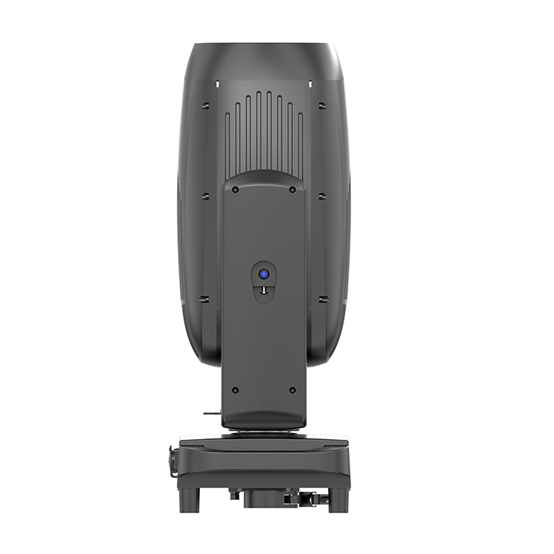
Simple Show Changes For Rooftop Business Receptions Using A Waterproof Moving Head Light
Rooftop business receptions have an advantage that indoor venues cannot easily reproduce: the surrounding cityscape becomes part of the event design. After sunset, however, that open setting also creates challenges involving visibility, reflections, guest sightlines, and changing ambient light. A waterproof moving head light can add controlled beams and movement without requiring every part of the venue to remain brightly illuminated. At LiGHT SKY, we see professional lighting as one component of a broader visual plan, where technical choices should follow the program, architecture, and audience experience.
Start With The Venue Rather Than The Fixture
Every rooftop has its own visual conditions. Building façades may provide useful surfaces for projections, while glass railings and polished furniture can produce unwanted reflections. Nearby signs, decorative installations, and architectural lighting also contribute to the final image, so examining the space before programming the show can prevent conflicting effects.
Guest positions matter just as much. A beam that looks attractive from the control desk may appear overly intense from a dining table or presentation area. Walking through the venue from several viewpoints helps technicians identify suitable projection directions and areas where lighting should remain restrained.
Good planning therefore begins with the environment and the people moving through it, rather than with a predetermined lighting sequence.
Shape The Evening With Controlled Changes
Corporate receptions usually move through several moods. Opening speeches call for visual clarity, networking may benefit from a relaxed atmosphere, and entertainment can support stronger movement and color. Treating every part of the program with identical lighting makes those transitions less noticeable.
Cue-based programming offers a more practical approach. Different scenes can adjust intensity, color, movement, and beam placement according to the running order. If a presentation takes longer than expected, the operator can remain on a calmer cue rather than forcing the show into a fixed timeline.
We find small visual changes often become more noticeable when they correspond with meaningful moments in the event.
Give Movement A Clear Visual Purpose
The phrase moving head stage lights covers fixtures with different optical functions, so movement should be considered alongside beam characteristics rather than separately. Narrow beams can create defined lines through the atmosphere, while broader sources are generally more appropriate when the objective is ambient coverage.
Rooftop receptions benefit from selective movement. Entrance moments, music transitions, and entertainment segments may justify more active effects, whereas speeches and business discussions typically require less visual distraction. Positioning also deserves attention because surrounding buildings, aircraft considerations, neighboring properties, and guest sightlines can influence appropriate beam directions.
Movement becomes more effective when it communicates a change in atmosphere instead of simply adding continuous motion.
Introduce Texture With Gobos
Gobos provide another way to add visual detail without relying exclusively on color. Static patterns can introduce texture onto suitable surfaces, helping a plain architectural wall, backdrop, or stage area feel more connected to the event concept.
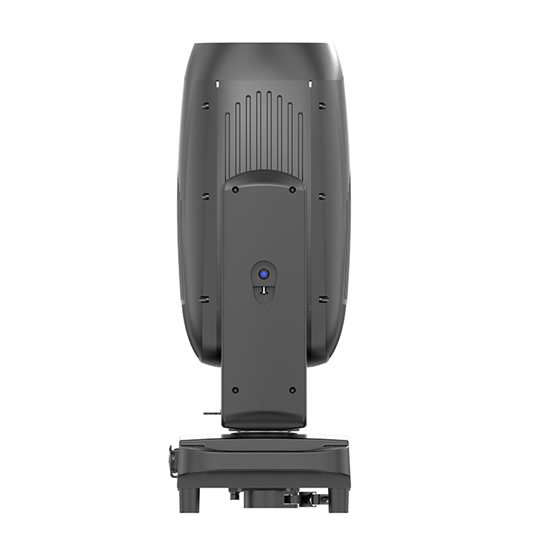
We work with the MINI WHALE from LiGHT SKY. It delivers sharp beam projection for outdoor rooftop events. When we deploy its built‑in effects selectively, they can complement a corporate identity or reception theme without turning the entire rooftop into a constantly changing visual field.
The key consideration is surface choice. Patterns need enough contrast to remain visible while avoiding interference with presentation screens, logos, or areas intended for photography.
Balance Color With Corporate Identity
Color has a strong psychological and visual effect, but corporate events often already contain established brand colors. Introducing too many unrelated hues can weaken the visual relationship between signage, stage elements, and lighting.
A better approach is to establish a limited palette and assign different combinations to different sections of the evening. Cooler or neutral tones may suit formal communication, while richer colors can appear during entertainment. Changes do not need to be dramatic; shifts in saturation or intensity can provide enough differentiation.
Reflective materials should also be considered during rehearsal. Glass and metal can amplify certain colors, creating brighter spots than expected from the programming position.
Coordinate Lighting With Cameras
Photography and video coverage introduce another layer to rooftop lighting design. Strong backlighting can create silhouettes, while rapidly changing colors may affect how people and branded materials appear on camera. The lighting plan should therefore consider not only what guests see but also what cameras capture.
Presentation areas deserve particular care. Speakers should remain visually distinct from decorative effects, and important brand graphics should retain sufficient contrast. During entertainment sections, more expressive beams can occupy the background while keeping key subjects readable.
A short camera check before guests arrive can reveal problems that may not be obvious to someone watching from the lighting console.
Prepare For Outdoor Conditions
Weather changes the practical side of rooftop production. Rain, humidity, dust, temperature variation, and exposed cable routes all need consideration before equipment is installed. An IP rating describes a fixture’s protection characteristics, but the wider system still depends on sensible placement, connections, mounting, and power distribution.
Operational planning should include clear equipment positions and cable paths that do not interfere with guest movement. Technicians can also prepare alternative cues if weather conditions affect the original program. Such flexibility is particularly useful when an outdoor reception has several activities planned across the same space.
Technical preparation supports creative freedom because fewer last-minute adjustments are required once guests arrive.
Conclusion
A rooftop reception does not need constant visual activity to feel dynamic. Stronger results often come from assigning different lighting behaviors to different moments: restrained scenes for communication, textured projections for atmosphere, and more expressive movement for entertainment. Venue geometry, guest sightlines, branding, cameras, and weather should all influence those decisions.
We apply the same practical thinking at LiGHT SKY, where lighting technology is considered in relation to the setting rather than treated as an isolated visual effect. A moving head stage lights setup can become more useful when every movement, pattern, and color shift has a reason to appear. With thoughtful programming and appropriate equipment selection, a waterproof moving head light can add visual variety to an outdoor reception while allowing the surrounding architecture to remain part of the experience.