Open-Air Brand Launches Planning: A Straightforward Use for a Waterproof 4-in-1 BSWP Moving Head
Open-air brand launches rely on more than a striking stage backdrop. Light has to define products, separate presentation zones, support presenters, and create visual changes without making the event feel overloaded. A LED 4-in-1 profile moving head light spot wash beam can approach these needs through several optical functions, while careful programming keeps the visual language consistent. At LiGHT SKY, we view outdoor lighting as a balance between atmosphere, visibility, color, and practical control rather than simply increasing brightness.
Building A Visual Language For Brand Reveals
A product reveal usually has several visual chapters: pre-show ambience, presenter introduction, product exposure, close-up detail, and the final brand moment. Each chapter can use different beam widths or color values while remaining part of the same design concept. This progression helps audiences understand that the lighting is responding to the content instead of changing randomly.
Color deserves particular attention during commercial events. Brand colors can become too saturated under intense fixtures, especially when surfaces are glossy or reflective. A controlled palette with neutral white references gives designers more room to introduce accent colors at selected moments.
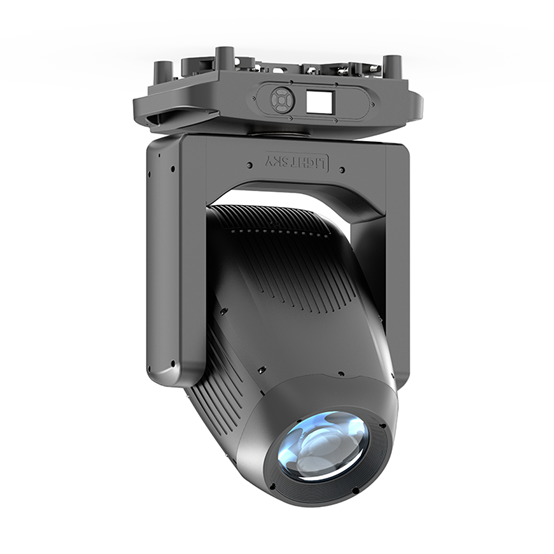
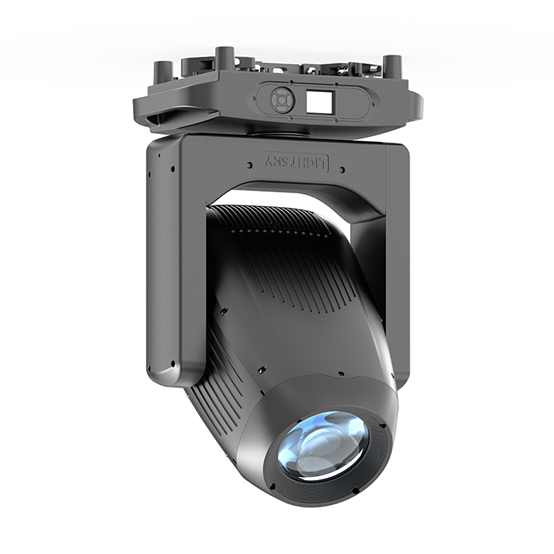
The 520W LED BSWP 4-in-1 Moving Head concept is particularly useful when an outdoor launch requires several lighting functions from a compact fixture position. Rather than assigning separate units to every visual task, one fixture can support beam, spot, wash, and profile applications, allowing the lighting plot to remain adaptable as the event layout develops.
Matching Beam Shape To Stage Geometry
We find wide washes work well when our objective is to establish an overall visual field. They can bring depth to a stage floor, illuminate scenic structures, or create a softer background layer behind presenters. By contrast, we see narrower beams draw attention toward specific moments without necessarily changing the entire stage.
Profile functions become valuable once the event includes architectural shapes, logos, podiums, or defined presentation areas. Precise framing can keep light away from screens and other visual surfaces that already carry important information. That separation becomes especially useful during product demonstrations.
A practical plot should also account for viewing distance. A beam that looks impressive from the control position may feel excessive from the audience area. Testing different zoom positions before the event allows the designer to judge how intensity, spread, and contrast interact across the venue.
Using Color Without Losing Brand Consistency
CMY mixing offers designers a broad way to build transitions instead of relying exclusively on fixed color selections. Subtle changes can shift the atmosphere between presentation segments, while stronger hues can mark a major reveal or closing sequence. The key is to establish a repeatable palette before programming individual cues.
For a launch with strong corporate identity, color should support the brand rather than compete with its graphics. Neutral scenes can provide visual breathing room between saturated moments. This approach also helps audiences recognize changes in the program without requiring dramatic movement from every fixture.
The SUPER SCOPE AQUA incorporates CMY mixing with linear CTO correction, six color filters, a high-CRI filter, and additional effects such as gobos, animation, prism, frost, iris, dimming, and strobe. Its 520W white LED source produces 34,500 lux at 10 meters, while the 3.8°–50° zoom range allows the same fixture to shift between narrow and broad visual treatments. For outdoor launches, its waterproof construction also supports use in exposed event environments.
Coordinating Movement With Presentation Cues
Movement becomes meaningful when it follows the rhythm of the event. A slow pan can accompany an opening sequence, while a quicker repositioning may suit a transition or energetic brand film. Constant movement, however, can distract from a speaker or product that already demands attention.
Cue timing should therefore be connected to the event script. Designers can reserve major fixture movements for moments that genuinely benefit from visual emphasis. During technical presentations, restrained positions often work better because audiences need to focus on information rather than motion.
The LED 4-in-1 profile moving head light spot wash beam format also gives programmers more options when stage requirements change during rehearsals. A fixture originally planned for a wide wash can be repositioned for a sharper effect, while profile functions can help shape light around presentation zones.
Planning Outdoor Coverage And Control
Outdoor productions introduce variables that indoor venues usually control more easily. Distance, ambient light, weather exposure, stage dimensions, and surrounding architecture can all influence how lighting appears. A useful design therefore begins with the venue rather than with individual fixture specifications.
Control architecture matters just as much. Consistent addressing, sensible channel allocation, and clearly named cues make revisions easier during rehearsal. RDM can also support fixture management in compatible control environments, reducing the amount of manual checking required during setup.
We approach fixture selection with this broader workflow in mind. Our 520W LED BSWP 4-in-1 Moving Head integrates multiple optical functions with a wide zoom range, allowing designers to adjust the visual composition while refining the stage layout, screen content, and audience sightlines.
Conclusion
Strong open-air brand launches do not depend on filling every second with movement or saturated color. Thoughtful beam placement, controlled transitions, useful framing, and sensible cue timing create a visual system that supports the message onstage. Once those principles are established, equipment becomes a means of shaping the experience rather than the focus itself. At LiGHT SKY, we treat adaptable lighting as part of the creative planning process, giving production teams more ways to respond to real-world venue conditions while keeping the presentation visually coherent.