
How Event Teams Can Use A 4-In-1 Profile Moving Head In Product Launches
Product launches often depend on a carefully timed visual sequence: the audience sees the product, the presenter enters, key information appears on screen, and the atmosphere changes as the event progresses. Stage wash lighting can provide the broad visual foundation needed to keep these moments connected, while more focused effects add emphasis without turning the presentation into a light show. At LiGHT SKY, we approach launch-event lighting by considering the product, stage architecture, audience sightlines, and presentation rhythm together.
Establishing A Visual Foundation
A product launch usually has several areas competing for attention, including the presenter, product display, LED wall, logo backdrop, and demonstration zone. A useful lighting plan begins by deciding which element deserves priority during each section rather than illuminating everything with equal intensity.
Stage size also affects the visual balance. A compact launch venue may require tighter coverage because walls and screens sit relatively close to the stage, whereas a larger hall allows more separation between foreground and background illumination.
Brightness alone does not create depth. Differences in intensity, direction, and color can separate the presenter from the backdrop while keeping the product itself visually recognizable. This approach is particularly helpful when the launch includes both live demonstrations and large-format digital content.
Creating Flexible Stage Coverage
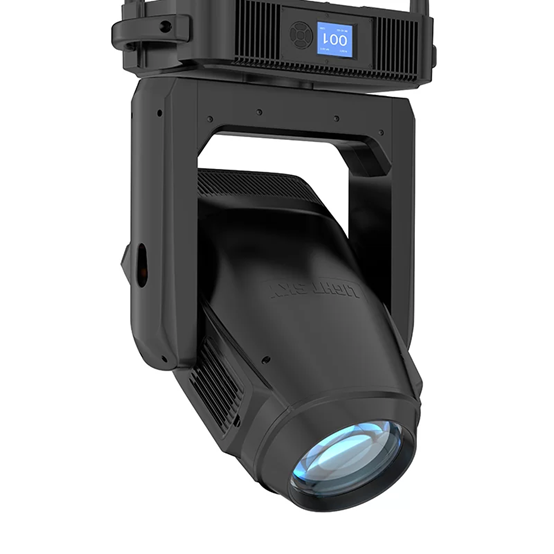
During an opening sequence, broad illumination can establish the overall atmosphere before attention moves toward the presenter or product. LED BSWP 4-in-1 moving head spotlight fixtures can support this type of transition by combining several optical roles within one lighting concept.
Wash coverage is useful when several people occupy the stage simultaneously. Instead of relying on isolated pools of light, designers can create a wider field that accommodates presenters, executives, and performers while maintaining a coherent background.
Later in the program, the visual requirement may become more selective. Narrower beams or shaped projection can draw attention toward a product reveal, demonstration table, or architectural feature. Changing the optical approach gives the event a sense of progression without requiring a completely different lighting system for every cue.
Shaping The Product Reveal
The reveal itself deserves special consideration because the lighting should support the product rather than obscure its form. A gradual increase in intensity can create anticipation, while a carefully positioned beam can establish a visual path toward the display.
Color selection should reflect the product identity and surrounding set. Highly saturated colors may work during entertainment sections, but neutral or moderately tinted illumination can preserve the appearance of physical products more naturally.
Screens introduce another challenge. Bright video content can alter the perceived color of nearby fixtures, while reflections from glossy packaging may become distracting. Technical rehearsals provide an opportunity to adjust angles and intensities before the audience arrives.
A Practical Indoor Fixture Example
For professional indoor launch productions, we offer SUPER SCOPE PLUS as an example of a multi-function fixture. Its beam, spot, wash, and profile capabilities allow designers to move between broad coverage and more selective effects, while the ±55° rotating cutting system supports precise framing and shaped light. The fixture is intended for theaters, TV studios, concerts, stadiums, and touring productions rather than outdoor applications.
Its framing capability can be particularly useful when the stage contains product displays or carefully arranged scenic elements. Instead of spreading light across the entire background, designers can shape the illuminated area around a specific object or section of the set, creating clearer visual separation.
Connecting Lighting With Presentation Timing
A launch event rarely follows one continuous visual mood. Product explanations, executive speeches, demonstrations, customer stories, and entertainment sections each have different requirements. Stage wash lighting can maintain continuity between these sections while more directional effects distinguish individual moments.
Cue timing should follow the presenter and content rather than operate independently. A lighting transition that coincides with a product animation may feel intentional, while the same movement during a technical explanation could become a distraction.
Transitions can also help audiences understand changes in program structure. A broader look may signal the beginning of a new section, while reduced movement and tighter coverage can indicate that attention should return to the speaker or product.
Using Movement With Restraint
Movement has value when it communicates a change. During an energetic opening, coordinated fixture positions can create momentum across the stage. Once the presenter begins speaking, those same fixtures may remain relatively stable so that the audience can concentrate on the message.
An LED BSWP 4-in-1 moving head spotlight also gives programmers several options when the event moves from presentation to entertainment. Beam effects can add energy, profile functions can frame scenic details, and broader coverage can support performers without requiring separate fixture categories for every section.
The best cue library is not necessarily the largest one. A smaller collection of distinctive looks can make the event easier to operate and give every transition a recognizable purpose.
Refining The Final Production
An LED BSWP 4-in-1 moving head spotlight becomes more valuable when its functions are assigned according to the structure of the launch. The lighting team can prepare dedicated looks for the opening, keynote, demonstration, reveal, entertainment, and closing instead of relying on one generic scene throughout the event.
Camera testing should form part of the final preparation. Product launches are frequently recorded or streamed, and exposure can change how brightness, color, and contrast appear on screen. Checking several camera positions can reveal unwanted reflections or overly bright background areas.
Audience sightlines deserve the same attention. A lighting position that looks excellent from the control position may appear intrusive from a side seat. Walking through the venue before the final rehearsal can expose these issues early and allow the plot to be adjusted.
Conclusion
Successful product-launch lighting gives every visual change a reason to exist. Stage wash lighting can establish continuity, while carefully shaped beams, controlled movement, and selective color changes help distinguish important moments without competing with the product itself. Our approach at LiGHT SKY combines flexible equipment with thoughtful programming, allowing event teams to build a visual sequence that supports presentation content, product visibility, and audience attention from the opening cue through the final reveal.