Theme Park Moving Head Lighting: Safety Zones, Rigging Load, and IP Requirements
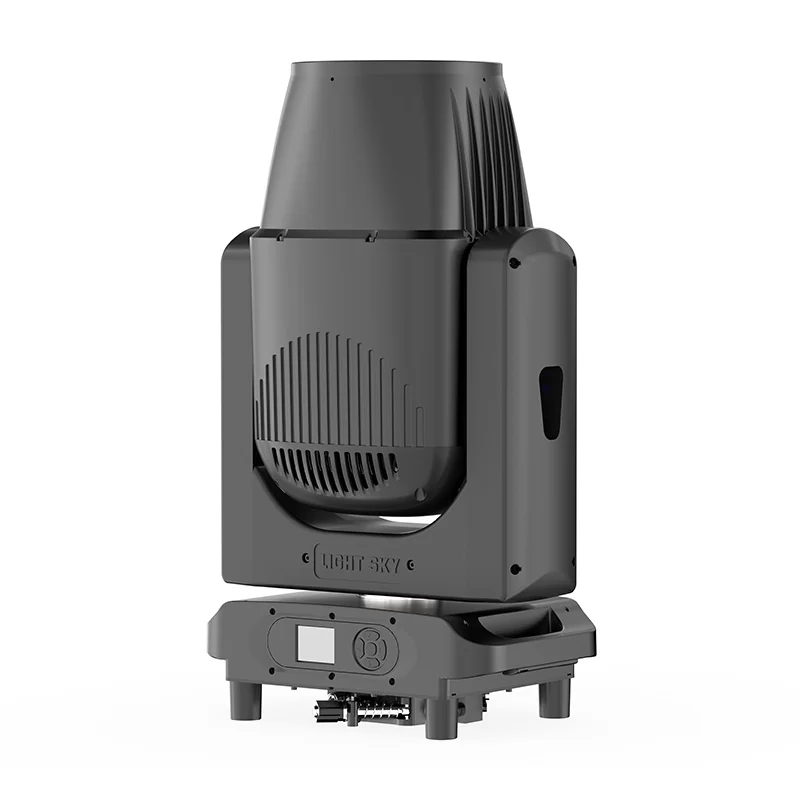
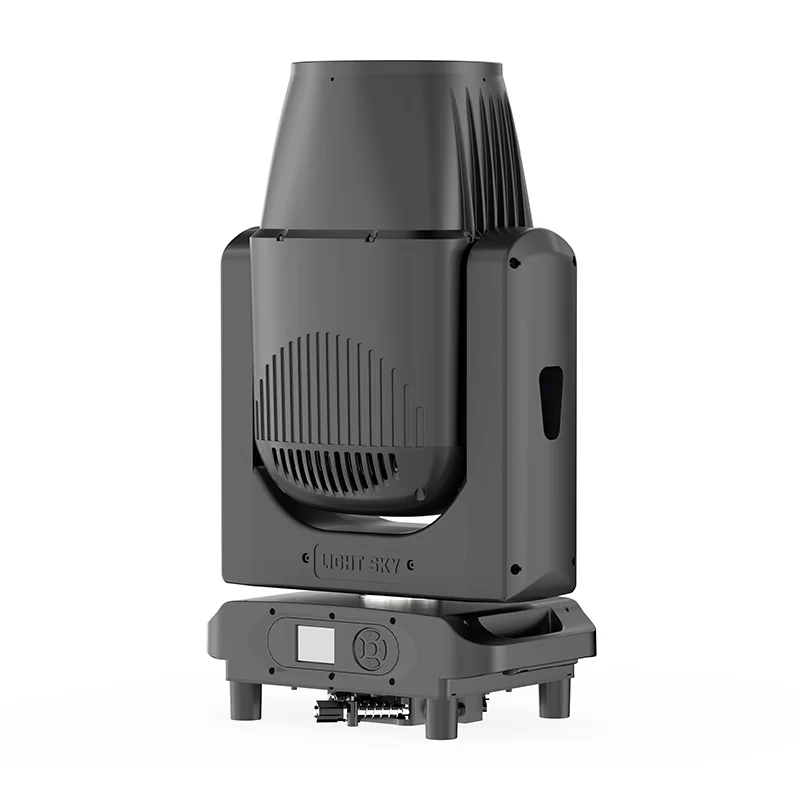
In the realm of theme park design, the integration of moving heads lighting plays a critical role in enhancing the visitor experience. The use of advanced lighting solutions, such as waterproof moving head lights, can significantly influence not only aesthetic appeal but also the overall operational safety and functionality in various environments. At LiGHT SKY, we recognize the importance of understanding the technical specifications that make moving head lights suitable for outdoor and indoor applications.
Understanding Safety Zones in Theme Parks
When planning a theme park, the delineation of safety zones is essential. These zones are designated areas where specific lighting equipment can be installed without compromising safety. In this context, professional moving head lights come into play. Their installation must adhere to safety regulations that ensure both the equipment and the visitors remain protected. Allowing for a greater control over light dispersion, these lights can effectively illuminate areas without creating hazardous conditions for guests. The right placement can enhance visibility, allowing for enjoyable evening experiences while minimizing risks.
Evaluating Rigging Load for Lighting Equipment
The rigging load is another crucial consideration in the setup of moving head lighting in theme parks. When selecting waterproof moving head lights, it’s vital to consider their weight and how this affects the overall rigging infrastructure. At LiGHT SKY, we’ve seen that neglecting to evaluate the rigging load can lead to structural failures or unsafe conditions. It’s advisable to work with a qualified technician to determine the maximum safe load-bearing capacity of the rigging system to ensure all equipment is securely mounted. Utilizing robust rigging hardware helps maintain stability while delivering exceptional lighting effects, particularly in open or high-traffic areas.
IP Ratings and Their Importance
Ingress Protection (IP) ratings provide a clear guideline on the durability and protection levels of lighting fixtures against dust and moisture. Choosing professional moving head lights with appropriate IP ratings is essential to ensure they function optimally in varying weather conditions. For outdoor installations, waterproof moving head lights with a minimum IP65 rating are recommended, as they are designed to withstand water jets and are dust-tight. At LiGHT SKY, the MINI WHALE model features an optical lens with a diameter of φ174mm and is engineered for high performance under wet conditions. Understanding these ratings helps in selecting the right equipment that not only performs well but also lasts longer in a theme park environment.
Conclusion
Incorporating moving heads lighting into theme park attractions enhances the interactive experience for visitors while adhering to safety guidelines, rigging load requirements, and understanding IP ratings. The optimal choice of lighting, like waterproof moving head lights, not only elevates the aesthetic quality but also ensures that safety measures are met. As part of our commitment at LiGHT SKY, we strive to educate our clients and partners on these critical aspects, helping them make informed decisions that contribute to the magical experience of theme parks. By prioritizing safety and durability, theme parks can create an unforgettable atmosphere that keeps guests returning for more adventures.