
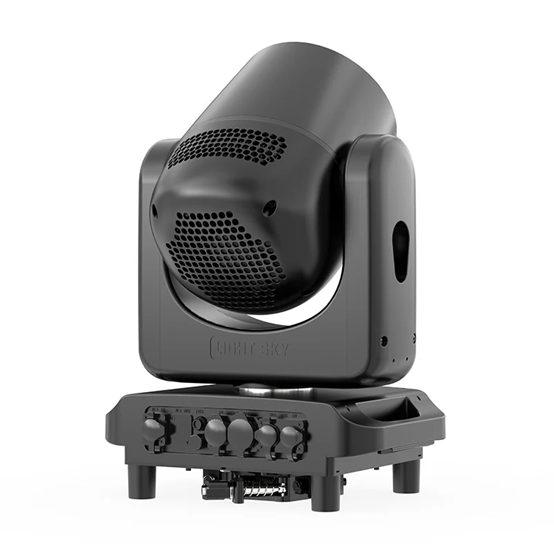
Mini Wash Light Rigging: Getting Big Coverage from Small Fixtures
Lighting designers often assume that larger fixtures automatically produce better stage coverage. In reality, the effectiveness of a lighting system depends just as much on installation strategy as on fixture output. Well-planned rigging can help compact fixtures illuminate a surprisingly large area while maintaining balanced colour and visual consistency.
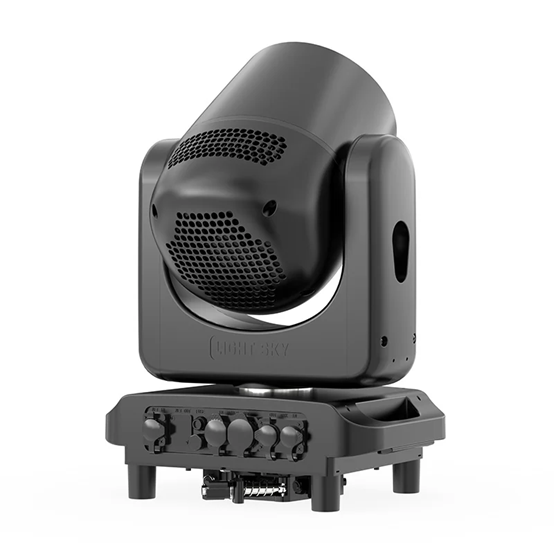
For productions working with limited budgets, compact venues, or temporary stages, thoughtful rigging becomes a valuable design tool. A carefully positioned LED moving wash system can achieve professional-looking results without requiring oversized equipment or complicated installations.
Rigging Has More Impact Than Fixture Size
The position of a lighting fixture directly influences how effectively its output is used. Mounting height, beam angle, spacing between fixtures, and aiming direction all determine how light spreads across a performance area.
When fixtures are installed too close together, parts of the stage may become excessively bright while other areas remain underlit. On the other hand, placing fixtures too far apart can leave noticeable gaps in colour coverage. Good rigging balances these factors to create a smooth and even wash.
Cross-lighting is another useful technique. Instead of aiming every fixture directly toward the same area, designers often position fixtures so that beams overlap from different directions. This reduces harsh shadows and creates more natural illumination for performers.
A well-designed LED moving wash setup also makes better use of available rigging space. By adjusting fixture angles and mounting heights rather than simply adding more units, lighting teams can improve overall coverage while keeping the system efficient.
AQUAPEARL-MINI Fits Compact Rigging Positions
As the primary product featured in this article, AQUAPEARL-MINI is designed for projects where installation flexibility is just as important as lighting performance.
AQUAPEARL-MINI is an LED miniature color/zoom wash fixture featuring RGBW LEDs. Its compact dimensions make it well suited for TV studios, small stages, exhibition spaces, conference venues, and other environments where rigging space is limited.
Because of its smaller size, the fixture can be installed on compact trusses, studio grids, and lower ceilings without occupying excessive space. This gives lighting designers greater freedom when arranging equipment, particularly in venues where every mounting position is valuable.
A compact mini wash light also simplifies transportation and installation. Production crews can position fixtures more quickly, adjust layouts with less effort, and adapt to changing stage designs without major rigging modifications.
Its motorized zoom further improves installation flexibility. Depending on the mounting height and stage dimensions, designers can adjust the beam spread to create either concentrated illumination or wider colour coverage, allowing the same fixture to perform effectively in different production environments. Adding Visual Depth with MINI LASER AQUA
A wash fixture creates the foundation of a lighting design, but many productions also need visual elements that extend beyond colour coverage. This is where laser effects can complement a wash lighting system rather than replace it.
As a supporting fixture, MINI LASER AQUA introduces aerial laser effects that add depth and movement to a stage. Instead of illuminating performers or scenery, laser beams define the surrounding space, making the performance environment appear larger and more immersive.
When used together, an LED moving wash provides balanced colour across the stage, while MINI LASER AQUA creates visible lines and dynamic patterns above the audience and performance area. Because the two fixture types serve different visual purposes, they can work together without competing for attention.
This layered approach is particularly useful for concerts, themed events, cultural tourism performances, and entertainment venues where designers want to create a stronger sense of dimension without significantly increasing the number of fixtures.
Four Rigging Tips for Better Coverage
Thoughtful rigging can dramatically improve the performance of compact lighting fixtures. Instead of relying solely on fixture output, designers can optimize coverage through careful installation planning.
The first recommendation is to vary fixture positions rather than placing every unit at equal intervals. Slightly staggered layouts often produce more natural beam overlap and reduce visible gaps in the lighting design.
Second, adjust the mounting height according to the venue. Raising fixtures slightly can increase the illuminated area, while lower positions may improve colour intensity on smaller stages. Finding the right balance depends on ceiling height and throw distance.
Third, avoid aiming every fixture toward the centre of the stage. Crossing beam angles from different directions creates smoother coverage and reduces heavy shadows on performers and scenery.
Finally, test zoom settings after installation instead of relying on default values. Small adjustments to beam spread often make a noticeable difference in how evenly colour is distributed across the stage, especially when working with compact fixtures.
Making Small Fixtures Work Smarter
Successful lighting systems are built through careful planning rather than simply adding more equipment. Fixture placement, beam direction, and the relationship between different lighting effects all influence the audience’s visual experience.
We at LiGHT SKY create professional lighting solutions for television studios, theatres, concerts, touring productions, cultural tourism projects, and entertainment venues. Our product portfolio covers compact wash fixtures, multifunction moving heads, and laser solutions, enabling us to support diverse production requirements across different applications.
A compact fixture should never be judged by its size alone. When rigging is planned thoughtfully and each fixture is assigned a clear role, even smaller lighting systems can deliver impressive coverage, strong visual balance, and memorable stage experiences.