LED Moving Wash Power Factor and Flicker: What Engineers Must Check
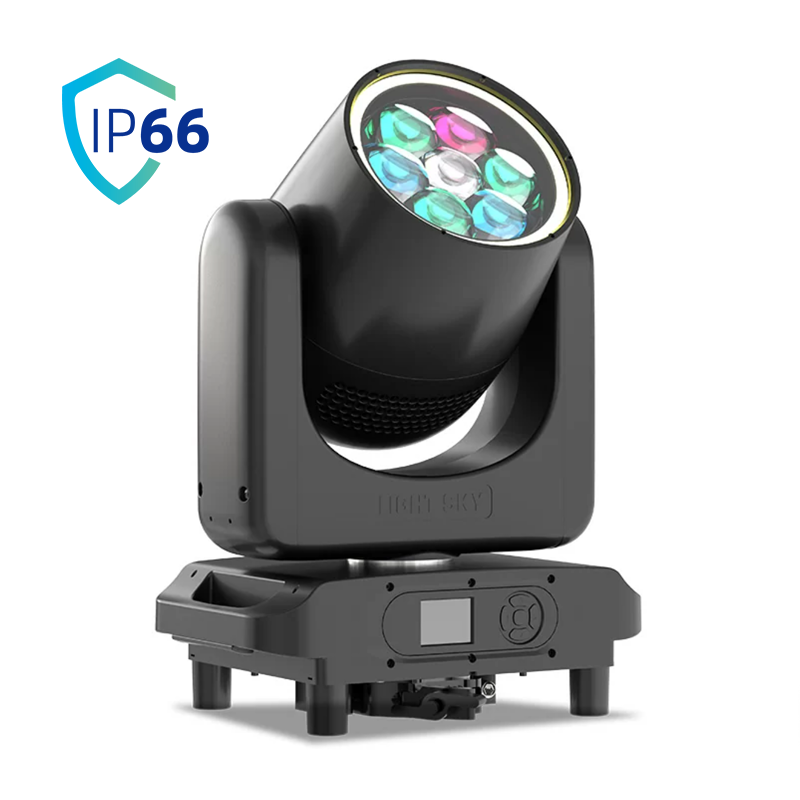
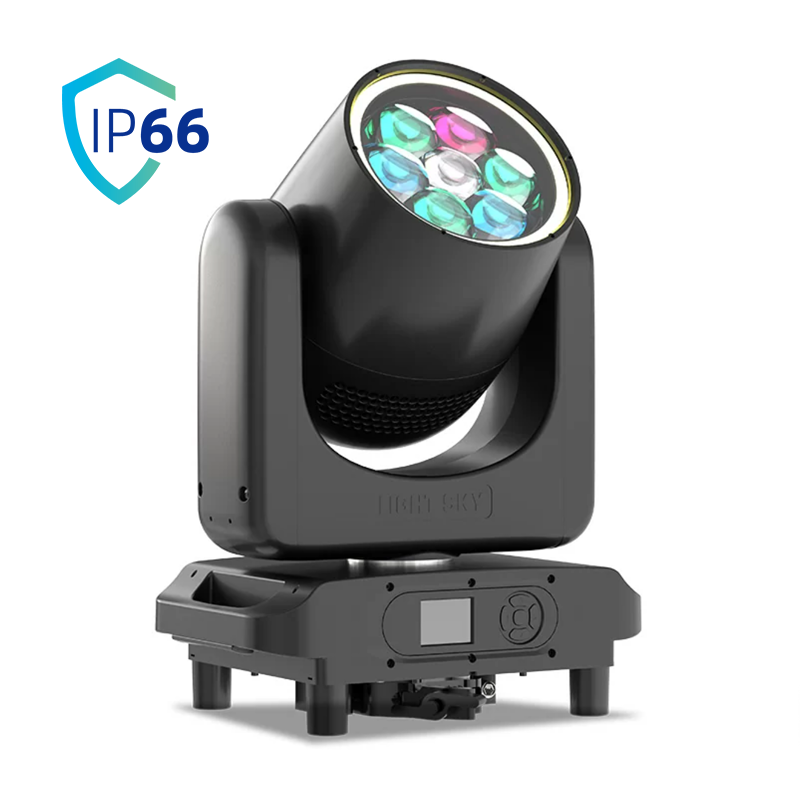
In the realm of stage lighting, the performance of LED technology plays a crucial role in creating impactful visual experiences. As engineers seek to enhance the functionality and efficiency of lighting equipment, key factors like power factor and flicker introduce important considerations. Our latest offering, the AQUAPEARL-MINI, serves as a compact and efficient moving head wash light that embodies these principles. An understanding of how power factor and flicker affect illumination quality is vital for optimizing equipment like mini wash lights. Let’s delve into these aspects from an engineering perspective.
Understanding Power Factor in LED Moving Wash Lights
Power factor is an essential concept that measures how effectively electrical power is being converted into usable output. In the case of LED moving wash lights, such as our AQUAPEARL-MINI, a high power factor indicates that the device uses energy efficiently, minimizing energy waste. Engineers must check power factor ratings to ensure that the lighting systems they design do not draw excess current from electrical sources, which can lead to higher utility costs and potential compliance issues with local regulations.
A low power factor can signal inefficiencies that might not only impact performance but also affect the overall lifespan of the moving head wash light. By choosing products designed with high power factors, like those developed at LiGHT SKY, engineers can optimize their stage lighting designs for both energy efficiency and operational longevity.
The Impact of Flicker on Audience Perception
Flicker, often caused by fluctuations in the electrical supply or the driver circuitry of LED lights, can severely affect the viewer’s experience. For engineers, understanding flicker metrics is crucial, especially when working with equipment expected to perform in dynamic environments. It’s known that certain frequencies of flicker can cause discomfort or even health issues for some viewers.
With the AQUAPEARL-MINI, we’ve focused on minimizing flicker to ensure a smooth transition of light effects, crucial for events that require precise choreography and visual appeal. Engineers should assess flickering in their lighting designs and evaluate their effects on overall aesthetics. Choosing products with advanced flicker-free technology, such as those we provide, can considerably enhance the visual experience.
Balancing Power and Performance in Mini Wash Lights
In the pursuit of optimal stage lighting solutions, engineers must balance the power output and quality of the light produced. The mini wash light category offers a unique combination of portability and performance, ideal for locations where space and weight are at a premium. However, achieving high performance does not mean compromising on efficiency.
With the AQUAPEARL-MINI, our commitment lies in providing a compact solution that does not sacrifice power factor or flicker management. Engineers must focus on selecting models that harmonize these features to ensure that each aspect contributes to a seamless user experience. By critically evaluating products based on these criteria, we can empower creators to deliver stunning performances without unnecessary complications.
Conclusion
In the arena of stage lighting engineering, the finer details can make an enormous difference in overall performance and satisfaction. By focusing on aspects like power factor and flicker, we can significantly enhance the usability and quality of lighting equipment. At LiGHT SKY, through innovations such as the AQUAPEARL-MINI, we remain dedicated to supporting engineers in navigating these technical challenges, ensuring that the products they choose not only meet but exceed the expectations of their users. The synergy of technical insight and quality equipment promises an evolving landscape for lighting applications, where both aesthetics and functionality can thrive simultaneously.