
LED Moving Head Spotlight vs Discharge: Color, Noise and Running Cost
For decades, discharge lamps have been widely used in professional entertainment lighting because of their high output and strong beam intensity. However, as production requirements continue to change, lighting designers and equipment operators are paying more attention to factors beyond brightness. Colour consistency, operating noise, maintenance requirements, and energy efficiency have become important considerations when selecting modern fixtures.
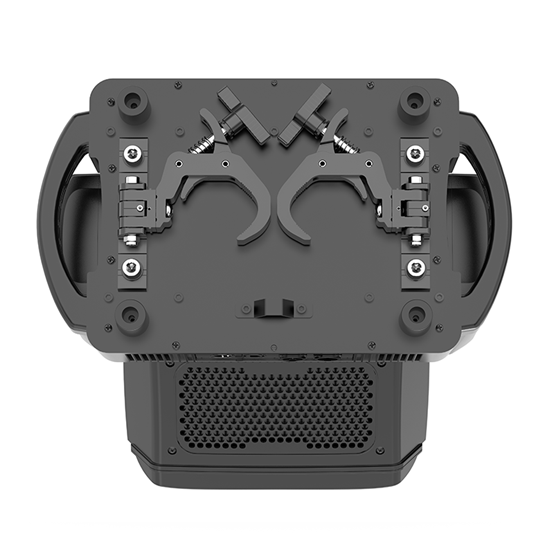
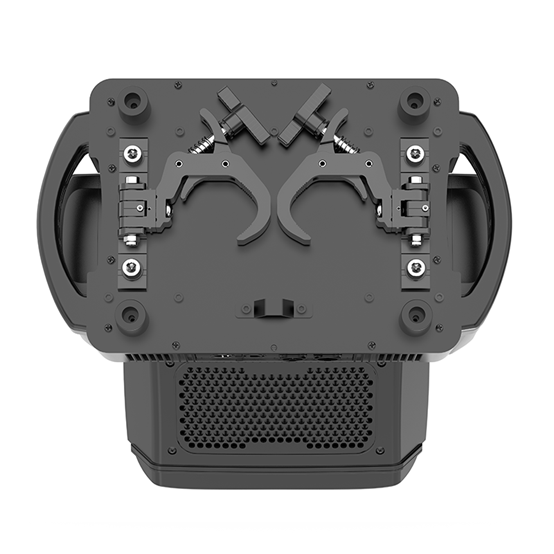
The development of LED technology has introduced new possibilities for professional lighting systems. A modern LED BSWP 4–in–1 moving head spotlight can provide multiple optical functions while offering more stable operation for theatres, concerts, studios, and entertainment venues. Comparing LED and discharge solutions requires looking at how each technology performs throughout daily operation.
Color Performance: Stability Across Different Productions
Colour consistency is one of the major differences between LED and discharge-based lighting systems. Traditional discharge fixtures can provide powerful output, but their lamp characteristics may change as operating hours increase. This can affect colour stability and require additional adjustments during long production periods.
LED-based fixtures offer different advantages through electronic colour control. Instead of relying on lamp output alone, LED systems can produce consistent colour mixing and allow designers to create repeatable lighting scenes across multiple performances.
For professional productions, an LED BSWP 4-in-1 moving head spotlight provides additional flexibility by combining beam, spot, wash, and profile functions in one fixture. Designers can move between focused effects, projection, and broader coverage while maintaining consistent colour performance throughout the show.
This consistency is especially valuable for productions that involve multiple fixtures working together. When every fixture responds predictably, lighting teams can create more accurate colour transitions and maintain the intended visual design from rehearsal to final performance.
Noise and Heat Management in Professional Venues
Operating conditions are another important difference between LED and discharge technologies. Many professional venues, especially theatres and indoor performance spaces, require lighting equipment to operate quietly. Mechanical noise from cooling systems can become noticeable during silent scenes or dramatic performances.
LED fixtures generally produce less heat compared with traditional discharge solutions, reducing the cooling demands required during operation. This can help create a quieter working environment and simplify thermal management inside venues.
Designed for theatres and high-end interior applications, SUPER SCOPE PLUS represents an LED 4-in-1 profile spotlight solution focused on precision lighting control. Its design supports detailed stage applications that require accurate cuts, patterns, and framing effects.
The fixture incorporates functions including rotating gobos, fixed gobos, animation effects, framing shutters, prisms, frost, motorized focus, and zoom adjustment. These features allow designers to create controlled projection areas and detailed lighting scenes while maintaining the flexibility expected from modern LED equipment.
For venues where atmosphere and audience focus are critical, the combination of stable output and controlled operation provides practical advantages during long performances. Running Cost: Looking Beyond the Initial Investment
When comparing LED and discharge fixtures, the purchase price is only one part of the overall cost calculation. Professional lighting equipment is used repeatedly over many years, so maintenance requirements, operating efficiency, and workflow impact can significantly influence long-term value.
Discharge fixtures typically require lamp replacement and more frequent maintenance related to traditional light sources. These processes can increase downtime, especially for rental companies or venues with busy production schedules. Every maintenance cycle may also require additional testing and adjustment before the equipment returns to service.
LED fixtures provide a different operating model. With electronically controlled light sources, they reduce the need for regular lamp replacement and allow lighting teams to focus more on programming and production preparation. Lower maintenance pressure can be especially beneficial for organizations managing large lighting inventories.
Energy consumption is another consideration. During long rehearsals, extended performances, or permanent installations, differences in power requirements can accumulate over time. Evaluating equipment based on its complete operating lifecycle helps users make more practical decisions rather than focusing only on initial equipment costs.
Extending Applications with MINI WHALE
The advantages of LED technology are not limited to indoor stage environments. Modern LED fixtures also support applications where flexibility and environmental adaptability are important.
As a complementary product, MINI WHALE demonstrates how compact LED solutions can support different lighting requirements. The fixture uses an OSRAM NED40 light source and features a precision optical system designed to produce sharp beam effects for concerts, events, touring productions, and entertainment applications.
With its compact design and IP66-rated waterproof structure, MINI WHALE provides a flexible waterproof moving head light solution for outdoor entertainment projects and demanding environments. The fixture also incorporates features including rotating effects, 8-facet and 24-facet prisms, motorized focus, frost, strobe effects, and linear dimming, allowing designers to create dynamic beam visuals with greater creative flexibility.
Compared with traditional lighting approaches, compact LED fixtures provide additional flexibility in system design. They can be positioned in more locations, transported more easily, and integrated into different production setups without requiring the same level of infrastructure as larger traditional fixtures.
For applications requiring broader colour coverage, LED solutions can also support stage wash lighting needs by providing smooth colour effects and adjustable coverage. This allows designers to create balanced visual environments while maintaining efficient equipment management.
Choosing Technology Based on Production Needs
The comparison between LED and discharge lighting is not simply about replacing one technology with another. Different productions may have different priorities, and factors such as venue conditions, creative requirements, maintenance plans, and operating schedules all influence the best choice.
At LiGHT SKY, we develop professional lighting solutions for theatres, concerts, touring productions, television studios, cultural tourism projects, and entertainment venues. Its product range supports different creative applications, from precision profile effects to flexible LED-based stage illumination.
As lighting technology continues to develop, the decision-making process is becoming more comprehensive. Output remains important, but colour stability, operating environment, maintenance requirements, and long-term efficiency are equally valuable considerations. The most suitable lighting system is the one that supports both artistic goals and practical operation throughout its entire service life.