
Getting More Variety From a Waterproof 4-in-1 BSWP Moving Head in Waterfront Galas
Waterfront galas create an unusual lighting environment: open sightlines, reflective water, large scenic structures, and changing evening conditions all influence how a stage appears. A waterproof beam spot wash profile approach can help designers divide the visual field into distinct layers instead of relying on one uniform look. At LiGHT SKY, we consider the relationship between the stage, surrounding architecture, audience perspective, and camera positions before deciding how much movement or color each scene actually needs.
Understanding The Waterfront Environment
Water can change the perceived character of lighting dramatically. Reflections may extend bright visual elements beyond the physical stage, while dark water can create strong contrast after sunset. Designers should therefore judge both direct illumination and reflected light during rehearsal.
The surrounding skyline also becomes part of the composition. Buildings, bridges, docks, and architectural features may already contain fixed lighting, so additional effects should complement rather than compete with those visual elements. Leaving selected areas relatively dark can give brighter sections greater definition.
Weather deserves equal attention. Wind, moisture, and temperature can influence equipment placement and operating conditions, particularly when fixtures remain exposed for an extended period. Mounting arrangements, cable protection, drainage, and access for technicians should all be considered during the initial site plan.
Building More Optical Variety
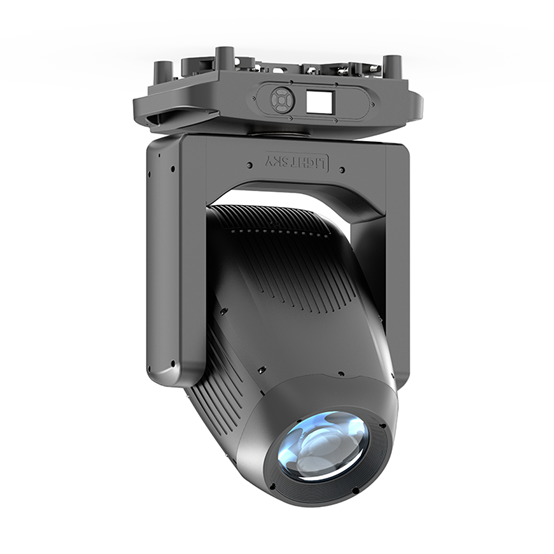
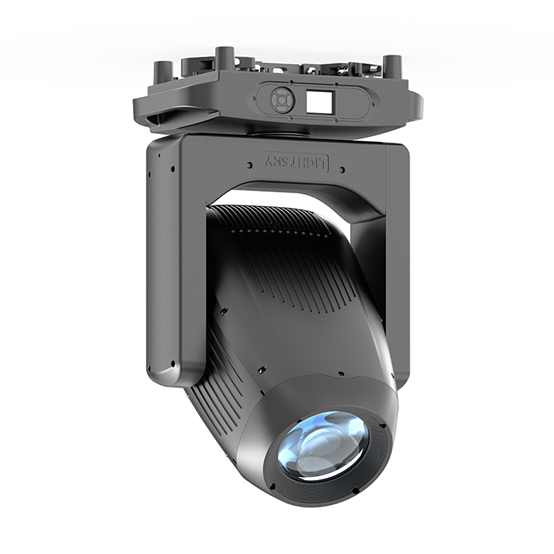
SUPER SCOPE AQUA combines beam, spot, wash, and profile functions in one fixture. Its 520W white LED produces 34,500 lux at 10 meters, while the 3.8°–50° zoom range moves from a narrow beam appearance toward wider coverage. These specifications make the fixture relevant to productions where different visual roles need to coexist within one lighting system.
A 520W LED BSWP 4-in-1 Moving Head can support a sequence in which the stage begins with concentrated lines, expands into broader coverage, and later returns to sharper projections. The important point is not to activate every function at once. Distinct transitions usually communicate more clearly than constant optical changes.
Zoom position can also affect perceived scale. A narrow setting emphasizes direction and distance, while a wider setting can visually connect performers with scenic surfaces. Designers can alternate between these characteristics according to the pace of speeches, performances, or ceremonial moments.
Using Color Without Overloading The Scene
Color becomes especially expressive beside water because reflected hues may appear outside the intended stage area. Cooler tones can create a spacious evening atmosphere, while warmer colors may bring greater emphasis to presenters and ceremonial sections.
The concept of waterproof beam spot wash profile is particularly useful when color and optical function are planned together. A wide wash can establish the overall palette, while a narrower projection introduces contrast. This separation allows several visual layers to coexist without making every part of the stage equally saturated.
Gradual transitions can also help maintain visual continuity. Instead of switching abruptly between unrelated colors, a designer might shift temperature or saturation during an instrumental passage, then introduce a stronger color change when the program reaches a defined highlight.
Shaping Movement Around The Program
Movement should have a reason to occur. During a formal speech, restrained pan and tilt changes may add depth without drawing attention away from the speaker. A musical section can support more active movement, particularly when the rhythm provides clear points for cue changes.
The flexibility of a 520W LED BSWP 4-in-1 Moving Head becomes more useful when movement is combined with changes in beam width. A slow sweep paired with a narrow angle creates a very different visual impression from the same movement performed with broad coverage.
Layering movement across fixture groups offers another option. One group can establish a static architectural frame while another shifts gradually behind the performers. This staggered approach gives the eye a clear progression and avoids turning the entire background into one continuously moving pattern.
Planning For Audience And Camera Views
Waterfront events often attract audiences from multiple directions. The main seating area may not provide the only meaningful viewpoint, especially when guests gather along promenades or side platforms. Lighting positions should therefore be checked from several angles before final programming.
Camera placement introduces another variable. Strong rear effects can add depth on screen, yet excessive intensity may reduce facial detail or interfere with scenic graphics. Camera rehearsals are useful because the visual balance recorded by a lens can differ considerably from direct audience perception.
A waterproof beam spot wash profile setup can be divided into functional zones so that front illumination, side accents, background effects, and architectural elements each receive appropriate treatment. This method makes later adjustments more straightforward because changing one visual layer does not necessarily require rebuilding the entire lighting picture.
Conclusion
We find waterfront galas gain tremendous value from lighting solutions that adapt to local surroundings, instead of treating open‑air venues as enclosed theaters. At LiGHT SKY, we approach this style of lighting planning with controlled contrast, intentional movement, flexible color palettes, and thorough consideration of reflections and audience sightlines. For us, the strength of the 520W LED BSWP 4‑in‑1 Moving‑head rests on how we integrate its full optical range into our broader visual strategy. Waterproof beam‑spot‑wash‑profile planning gives us a practical framework to separate scenic washes, directional beam effects, and dedicated presentation lighting. When we define distinct roles for each lighting element, the waterfront environment itself becomes an integrated component of visual design rather than a passive backdrop.