Using Professional Stage Lighting To Give Annual Company Meetings More Visual Energy
An annual company meeting may center on business results, but the experience does not have to feel visually static. A well-planned lighting system can distinguish keynote speeches from recognition moments, give presentations greater depth, and help audiences stay attentive through a long agenda. For a stage lighting manufacturer, understanding these differences means considering how light supports communication rather than treating illumination as decoration. At LiGHT SKY, we see professional stage lighting as one element within a broader visual language, where timing, composition, color, and audience comfort all influence how a corporate event is experienced.
Give Different Meeting Moments A Clear Visual Identity
A corporate meeting normally contains several types of content, from financial presentations and executive speeches to employee recognition and future-planning sessions. Each section has a different emotional purpose, so keeping the same lighting state throughout can make a varied program feel monotonous. Subtle changes in brightness, color, beam direction, or background illumination can help the audience recognize a transition without requiring an elaborate visual effect.
The stage should also retain enough visual consistency for people seated at different distances. A presenter needs readable facial illumination, while the backdrop may require a separate layer of light to create depth. Rather than increasing brightness across the entire room, designers can divide the space into functional zones and assign each one an appropriate role. That approach gives the lighting operator more control while keeping the overall presentation comfortable.
A meeting becomes visually easier to follow when lighting changes correspond to the structure of the program instead of appearing as unrelated effects.
Balance Visual Energy With Professional Presentation
Corporate events often require a different visual rhythm from concerts or entertainment shows. Excessive movement may distract from a speaker, while overly restrained illumination can make a large venue appear flat. The solution lies in deciding which moments deserve stronger visual emphasis and reserving more noticeable changes for transitions, awards, openings, or closing segments.
Color selection deserves equal care. Saturated colors can strengthen a company’s visual identity, but excessive use may affect skin tones and presentation materials. Neutral illumination around speakers can coexist with controlled color on architectural surfaces or the stage background. This layered approach allows designers to introduce energy without sacrificing the clarity expected from a business-focused event.
For planners, the key consideration is not how many effects a lighting system can produce, but whether those effects serve the meeting’s communication goals.
Consider Space, Sightlines, And Audience Comfort
A ballroom and a large convention center can present very different lighting challenges. Ceiling height, stage dimensions, audience arrangement, projection screens, LED walls, and camera locations all influence fixture placement. A narrow beam that looks striking from one position may become uncomfortable from another if it crosses audience sightlines at the wrong angle.
We regard screen content as another key consideration in lighting design. We find bright presentation slides, video walls, and decorative lighting will compete for visual attention without proper intensity balancing. Therefore, we build a clear hierarchy in our lighting plan: we ensure key information stays legible, presenters remain clearly visible, and atmospheric effects complement rather than overpower screen content. We believe this is particularly vital for long event sessions, as unregulated visual contrast can cause audience visual fatigue and reduce engagement.
Thoughtful spatial planning gives every lighting element a defined purpose and keeps the meeting environment coherent from the first presentation to the final address.
Match Equipment Characteristics With Indoor Event Needs
Technical specifications become more meaningful once the venue and program have been defined. Beam angle, movement range, color system, optical design, control protocols, noise characteristics, and power requirements can all influence how a fixture fits into a corporate production. Buyers comparing entertainment lighting manufacturers should therefore examine specifications in relation to the actual event instead of judging equipment from output figures alone.
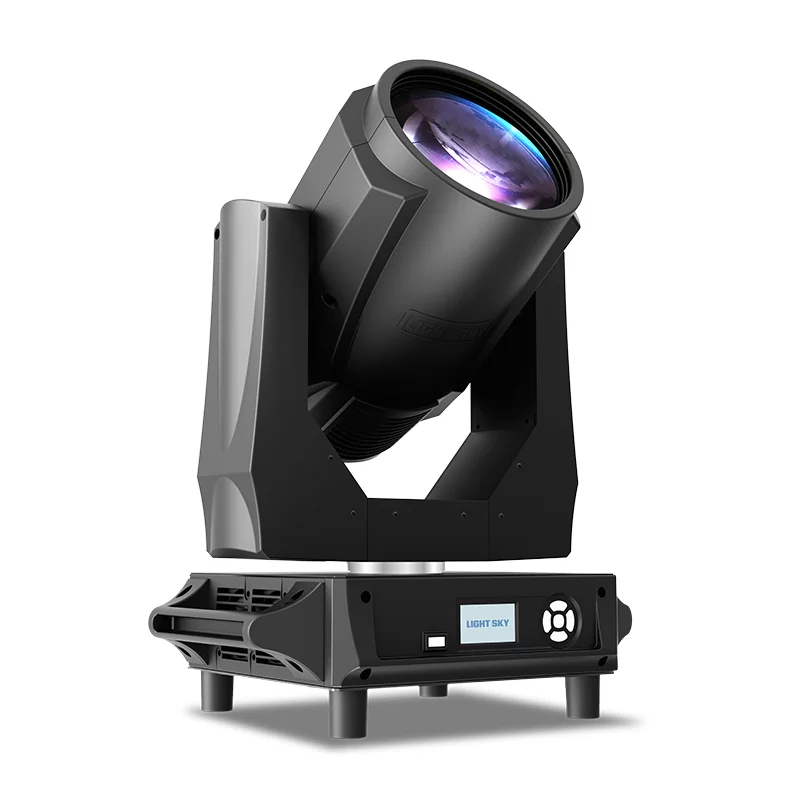
For an indoor application requiring dynamic beam effects, we offer models designed around different optical requirements. The SCOPE BEAM, for example, is positioned within our moving-head beam range for stage and entertainment applications rather than outdoor use. Its role illustrates a broader planning principle: a fixture should be selected according to its intended environment, throw distance, visual effect, and position within the overall rig. Product specifications should always be checked against the official model documentation before final deployment.
The right equipment choice comes from matching technical characteristics to the production environment, not from collecting the largest possible range of features.
Build A Lighting System That Supports The Meeting Flow
Programming can make a substantial difference to the perceived quality of a corporate event. Instead of creating dozens of unrelated cues, operators can establish a small group of visual states for speeches, presentations, awards, videos, and transitions. These states can then be adjusted during rehearsal according to speaker position, screen content, and stage activity.
Consistency also matters across repeated annual events. A company may change its venue, stage design, or presentation format from year to year, yet maintaining a recognizable lighting language can help preserve continuity. Flexible fixtures and well-organized control files make it easier to adapt that visual identity without reproducing every technical detail from the previous event.
The most effective programming remains largely invisible to the audience because it reinforces the rhythm of the meeting without competing with its content.
Conclusion
We believe visual energy does not rely on dramatic effects. We find a well-structured lighting design can add dynamism to corporate gatherings simply by assigning unique visual characteristics to speeches, presentations, award moments, and scene transitions. This requires us to fully understand sightlines, color perception, screen interaction, fixture optics, programming logic, and the practical limitations of the venue.
At LiGHT SKY, we approach professional event lighting with those broader relationships in mind. Teams evaluating a stage lighting manufacturer can begin with the event’s communication objectives, then work backward toward fixture types, optical requirements, control methods, and programming needs. We find that comparing entertainment‑lighting manufacturers becomes much more useful once those criteria are defined, because we can then judge technical specifications according to how they contribute to the audience experience, rather than treating them as isolated numbers.