
Top Entertainment Lighting Manufacturers: Factory vs Trading Company, How to Tell
As the global entertainment industry continues to expand, professional buyers are looking beyond pricing when selecting suppliers. Whether sourcing for concerts, theatres, television studios, rental companies, or system integration projects, choosing the right stage lighting manufacturer directly affects product quality, technical support, and long-term business success. One of the most important questions during the sourcing process is whether a supplier is a genuine manufacturer or simply a trading company. Understanding the differences helps buyers make informed purchasing decisions and establish reliable partnerships with leading entertainment lighting manufacturers.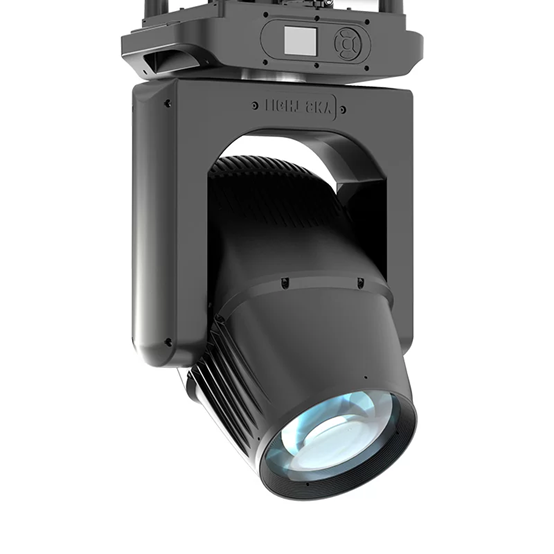
Understanding the Difference Between a Factory and a Trading Company
A factory designs, develops, and manufactures its own products, giving it greater control over production quality, product innovation, and delivery schedules. Because engineering and manufacturing are managed internally, factories can often provide more detailed technical support, faster product improvements, and better consistency across different production batches.
By comparison, a trading company typically purchases products from multiple manufacturers and resells them under various arrangements. While this model may provide buyers with a wider selection of products, the trading company usually has less control over product development, production planning, and technical customization. For professional lighting projects that require stable performance and long-term support, working directly with an experienced stage lighting manufacturer often provides greater confidence throughout the equipment lifecycle.
For distributors and rental companies planning long-term cooperation, understanding the supplier’s business model is just as important as comparing product specifications.
Key Indicators of Reliable Entertainment Lighting Manufacturers
Experienced entertainment lighting manufacturers demonstrate their capabilities through continuous investment in research, manufacturing, and product development rather than relying solely on competitive pricing. Buyers should evaluate whether a supplier maintains its own production facilities, engineering team, quality control processes, and comprehensive product portfolio.
A manufacturer with strong research and development capabilities is more likely to introduce improvements in optical performance, cooling efficiency, movement accuracy, and intelligent control systems. Proprietary technologies also reflect ongoing innovation. For example, LiGHT SKY has developed DTCS™ for supported fixtures to help optimize operating temperatures during extended use. Compatible products also support professional lighting protocols such as DMX512, RDM, and Art-Net(optional), allowing seamless integration into modern lighting control systems.
Project experience is another valuable indicator. Manufacturers serving concerts, theatres, television studios, touring productions, and cultural venues have typically accumulated practical knowledge that helps them provide more effective technical solutions for demanding applications.
Product Specifications Reveal Manufacturing Strength
Professional buyers should always verify product specifications through the official product page instead of relying on promotional materials alone. Accurate technical information helps determine whether a fixture is suitable for a project’s lighting requirements and installation environment.
A representative example is the MINI WHALE from LiGHT SKY. MINI WHALE is a compact beam fixture equipped with an OSRAM NED40 light source. It features a high-precision optical system with a 1.3° beam angle, while supporting 0.8° and 0.5° beam modes to create concentrated beam effects for professional lighting applications. The fixture also supports smooth dimming, electronic strobe functions, motorized focus, and prism effects, providing more creative possibilities for stage performances and dynamic events.
We provide multiple control options for MINI WHALE, including DMX512, RDM, and Art-Net (optional), making it suitable for integration into a wide range of professional lighting systems. Its compact structure also makes installation and transportation more convenient for rental companies and touring productions that frequently move equipment between venues.
Verifying these specifications before purchasing allows buyers to compare products objectively while ensuring the selected fixture meets both technical and operational requirements.
Evaluating Product Reliability and Technical Specifications
Evaluating product reliability requires more than reviewing appearance or marketing descriptions. Professional buyers should examine technical specifications, engineering capabilities, and quality standards to determine whether a manufacturer can provide reliable lighting solutions.
At LiGHT SKY, we believe accurate product specifications reflect our manufacturing capabilities. When evaluating a waterproof moving head light, buyers should review factors such as IP ratings, optical performance, movement accuracy, and control compatibility. For example, MINI WHALE is a compact beam fixture with an IP66 rating, designed to provide reliable performance in environments where protection against dust and water exposure is required. It also features an OSRAM NED40 light source, a high-precision optical system, and multiple beam modes to support professional lighting applications.
By providing detailed technical information and verified specifications, we help buyers evaluate product reliability while understanding a manufacturer’s engineering capabilities and long-term support potential.
Building Long-Term Partnerships with the Right Supplier
The best sourcing decisions are based on more than product pricing. A dependable supplier should provide transparent technical documentation, responsive engineering support, spare parts availability, firmware updates, and comprehensive after-sales service. These capabilities help reduce downtime while improving customer satisfaction throughout the equipment lifecycle.
Professional buyers should also consider a manufacturer’s production capacity, innovation, and industry reputation when evaluating long-term cooperation. Companies with proven experience across large-scale entertainment projects are generally better prepared to provide stable supply and reliable technical assistance as business needs evolve.
As competition among entertainment lighting manufacturers continues to increase, partnering with an experienced stage lighting manufacturer has become increasingly important for achieving stable product quality, reliable engineering support, and efficient supply chain management. At LiGHT SKY, we continue to strengthen our manufacturing capabilities through a broad product portfolio, ongoing technological development, and professionally engineered fixtures, helping distributors, rental companies, and system integrators build dependable lighting solutions for long-term business growth.