
Stage Light Factory Lead Times Explained: From Sample to Container in 2026
For distributors, rental companies, and professional lighting system integrators, delivery time is a critical factor when selecting a supplier. A delayed shipment can affect event schedules, project installation plans, and customer satisfaction. Therefore, understanding how a stage lighting manufacturer manages the process from sample development to container shipment helps buyers set realistic expectations and choose the right production partner.
In 2026, professional lighting procurement requires more than finding a supplier with competitive pricing. Buyers need manufacturers with stable production processes, efficient quality control, reliable communication, and the ability to deliver consistent products at scale. Understanding each stage of the manufacturing timeline provides valuable insight into supplier capabilities.
The Complete Production Journey Behind Professional Lighting Equipment
The lead time of professional lighting equipment is influenced by several stages, including product confirmation, sample evaluation, production preparation, assembly, testing, and shipment arrangement. For buyers working with a stage lighting manufacturer, the process usually begins with product selection and technical confirmation.
During the initial stage, buyers typically review product specifications, application requirements, control compatibility, and customization needs. For OEM projects, additional time may be required for logo confirmation, packaging design, or other customized elements. Clear communication at this stage helps reduce unnecessary delays during later production.
After specifications are confirmed, manufacturers usually prepare samples or production units for evaluation. This step allows buyers to check lighting effects, mechanical performance, control response, and overall product quality before placing larger orders. A reliable supplier will provide detailed technical information and support customers in verifying whether the fixture meets the intended application.
Once the sample is approved, the manufacturer begins preparing materials and scheduling mass production. The efficiency of this stage depends heavily on the supplier’s production management, component supply chain, and internal manufacturing capacity.
How a Stage Lighting Manufacturer Manages Production and Quality Control
A professional stage lighting manufacturer needs a structured production process to ensure every fixture meets consistent performance standards. Unlike simple electronic products, professional moving head lights contain multiple precision components, including optical systems, motors, control boards, cooling structures, and mechanical assemblies.
During manufacturing, each stage requires careful coordination. Component preparation, mechanical assembly, electronic installation, software configuration, and final testing all influence delivery time. Manufacturers with mature production systems can better manage these processes and maintain stable output even for larger orders.
Quality inspection is another important factor affecting lead times. Before products are shipped, professional lighting fixtures generally require testing of functions such as movement accuracy, brightness performance, color effects, control signals, and safety operation. Although additional testing requires time, it helps reduce potential failures after delivery and protects buyers from unexpected maintenance costs.
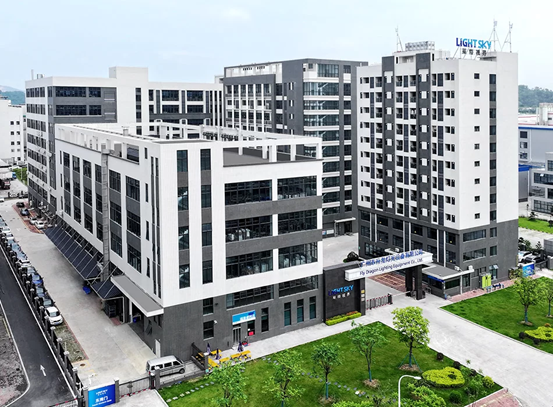
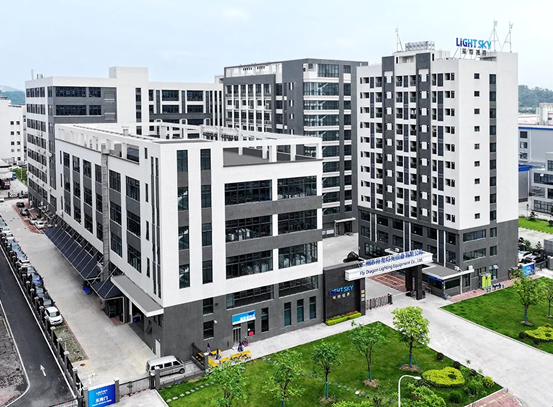
We at LiGHT SKY focus on professional entertainment lighting solutions and applies structured manufacturing and testing processes across its product range. We also develop technologies such as DTCS™ for supported fixtures to help optimize thermal performance during operation, contributing to reliable long-term use in demanding applications.
From Sample Approval to Bulk Shipment: The Role of Moving Head Lights
For buyers ordering moving head lights, the transition from sample confirmation to bulk production is one of the most important stages. Professional fixtures require consistency because even small differences in optical output, movement performance, or software settings can affect the final lighting effect in large-scale projects.
A typical bulk order process involves production scheduling, component preparation, assembly, testing, packaging, and shipping coordination. The actual timeline depends on order quantity, product availability, customization requirements, and the manufacturer’s production capacity.
A good example of advanced professional equipment is LiGHT SKY super scope, represented by the SUPER SCOPE AQUA moving head fixture. SUPER SCOPE AQUA is designed as a high-performance LED beam-spot-wash-profile 4-in-1 moving head fixture with an IP66 protection rating. It uses a high-output LED light and features a powerful beam effect suitable for professional entertainment applications requiring long-distance projection.
The fixture includes advanced optical performance, multiple lighting effects, and professional control compatibility. Its waterproof design allows it to meet applications where additional environmental protection is required. Buyers should always verify official product specifications before selecting fixtures for specific environments, as IP ratings determine whether equipment is suitable for outdoor-related applications.
Factors That Influence Delivery Time in 2026
Although manufacturers may provide estimated lead times, several factors can influence the final delivery schedule. Order quantity is one of the most obvious factors. Small sample orders usually require less production preparation, while large container orders involve more extensive material planning and manufacturing coordination.
Product customization can also affect delivery periods. Customized logos, packaging, software settings, or special configurations require additional communication and preparation. Buyers can reduce unnecessary delays by confirming technical requirements and customization details before production begins.
Supply chain stability is another important consideration. Manufacturers with established supplier networks and efficient inventory management are generally better prepared to maintain production schedules. This capability is especially valuable for distributors who need predictable delivery times to support their own customers.
Communication between buyers and suppliers also plays a significant role. Clear documentation, timely approvals, and accurate order information help prevent production interruptions and ensure smoother cooperation from sample approval to final shipment.
Choosing a Manufacturing Partner for Reliable Delivery
Lead time is not only about speed; it reflects a manufacturer’s overall management capability. A supplier that delivers quickly but lacks quality control may create additional costs through repairs, replacements, or project delays. For professional buyers, the ideal partner should balance production efficiency with consistent product performance.
When evaluating a stage lighting manufacturer, buyers should consider production experience, technical capability, quality management, product documentation, and after-sales support. These factors provide a clearer picture of whether the supplier can handle both sample orders and large-scale container shipments.Consistent production planning and quality control are equally important for maintaining reliable delivery schedules.
In 2026, successful sourcing depends on building partnerships with manufacturers that understand professional lighting requirements. At LiGHT SKY, we develop professional lighting products for distributors, rental companies, and lighting system integrators. Products such as SUPER SCOPE AQUA are designed to support professional entertainment lighting applications.
By understanding the journey from sample approval to container delivery, buyers can make better sourcing decisions and establish stronger long-term partnerships with qualified manufacturers.