
Laser Moving Head Lights for Clubs and Concerts: Setup and DMX Control
When a lighting programmer begins preparing a show, fixture placement is only one part of the process. Just as important is how every luminaire responds to the lighting console. Smooth movement, synchronized colour changes, and precisely timed beam effects all depend on a well-planned control system. For productions that use a white laser light, careful DMX programming is essential to achieve clean aerial effects that remain synchronized with music and video content.
Whether designing a nightclub installation or a concert stage, technicians typically combine laser fixtures with wash and beam lighting. This approach allows laser effects to create visual highlights while other fixtures build atmosphere and illuminate performers. A properly configured laser moving head light becomes part of an integrated lighting system rather than an isolated special effect.
Planning a Stable DMX Lighting System
Successful programming starts before the first lighting cue is created. Fixture addresses, operating modes, universe allocation, and network configuration all influence system stability during a performance. As productions become larger, lighting programmers increasingly rely on DMX512 together with network protocols such as Art-Net or sACN to improve communication efficiency.
Laser fixtures require the same careful planning as other intelligent luminaires. Assigning logical DMX addresses streamlines programming, while grouping fixtures by function enables operators to build complex scenes efficiently.Consistent fixture organization also simplifies troubleshooting during rehearsals and live performances.
Timing is another important consideration. A white laser light is often used during musical climaxes or scene transitions where beam accuracy is highly visible. Precise programming ensures that laser effects, moving lights, and LED screens operate together, producing a seamless visual experience rather than competing effects.
Programming MINI LASER AQUA for Professional Performances
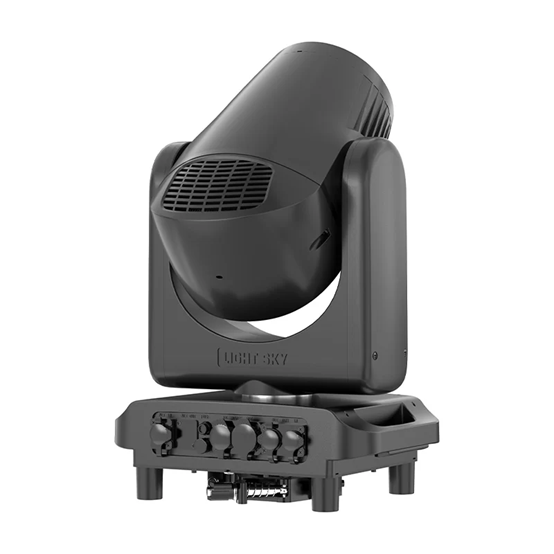
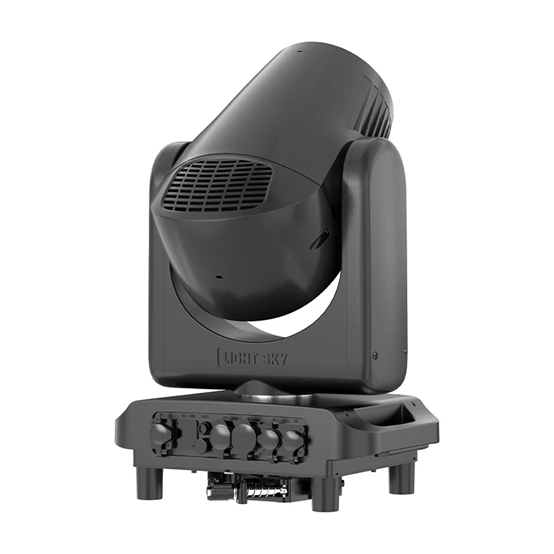
As the primary product featured in this article, MINI LASER AQUA is designed for professional entertainment applications that require high-quality laser effects together with flexible control.
MINI LASER AQUA uses a white laser light source and a precision optical system to generate exceptionally sharp aerial beams suitable for concerts, touring productions, cultural tourism projects, and large entertainment venues. Its compact design also provides greater flexibility when working in clubs or venues with limited rigging space.
As a professional laser moving head light, the fixture incorporates multiple colour effects, rotating gobos, prisms, frost, motorized focus, and smooth movement functions. These features allow lighting programmers to create synchronized laser sequences that evolve with music while remaining fully integrated with the rest of the lighting system.
Professional connectivity is equally important. MINI LASER AQUA supports DMX512, RDM and Art-Net, allowing technicians to integrate the fixture into modern lighting networks with minimal configuration. Whether controlling a small club installation or a large concert production, these protocols provide the flexibility needed for efficient programming and reliable performance.
Another advantage during programming is consistency. Accurate movement and stable optical performance allow repeated lighting cues to remain synchronized throughout long performances, reducing the need for constant adjustment during rehearsals or live operation.
Building Layered Scenes with LiGHT SKY Pearl Wash
Although laser fixtures attract attention with dramatic aerial beams, they are only one part of a professional lighting design. Clubs and concert venues also require even stage illumination, colour transitions, and visual depth that laser effects alone cannot provide. For this reason, lighting designers often combine laser fixtures with dedicated wash luminaires to create balanced lighting scenes.
Representing the LiGHT SKY pearl wash series, AQUAPEARL-PRO II is equipped with nineteen 40 W RGBW LEDs and features a motorized zoom range from 7° to 45°. This allows the fixture to produce both concentrated beam-like effects and broad, even wash coverage depending on the programming requirements.
The fixture also supports individual pixel control, smooth electronic dimming, electronic strobe functions, and multiple colour effects. These capabilities make it easier for programmers to build layered scenes in which laser beams create dramatic visual accents while wash lighting fills the stage with consistent colour and atmosphere. Instead of competing for attention, both fixture types work together to enhance the overall audience experience.
Practical DMX Programming Tips for Laser Systems
Programming a professional lighting system involves more than assigning fixture addresses. Designers should organize fixtures into logical groups, allowing laser effects, wash fixtures, and other moving lights to be controlled independently or simultaneously during different sections of a performance.
Many programmers build lighting sequences using timing presets rather than manually adjusting every cue. This approach helps laser effects remain synchronized with moving fixtures and video playback, producing smoother transitions between scenes. It also simplifies programming revisions when performances require changes after rehearsal.
Another useful practice is separating effect parameters from movement parameters within the console. Doing so enables operators to modify beam positions without affecting programmed colours or laser effects, improving workflow during both rehearsals and live performances. Consistent programming methods also make it easier for different technicians to operate the same lighting system during touring productions.
As productions become more complex, network-based control protocols such as Art-Net and sACN provide additional flexibility by supporting larger fixture counts while maintaining reliable communication across the lighting network. Combined with DMX512 and RDM, these technologies help programmers manage increasingly sophisticated entertainment lighting systems.
Lighting Systems Designed for Creative Control
A successful lighting design depends not only on the quality of individual fixtures but also on how well they operate together within a complete control system. Selecting compatible products with reliable communication protocols allows programmers to spend more time refining creative effects instead of solving technical issues during production.
At LiGHT SKY, we develop professional lighting solutions for concerts, theatres, television studios, touring productions, cultural tourism projects, and large entertainment venues. The company continues investing in engineering innovation and incorporates DTCS™ on supported models to help optimize operating temperatures during extended operation.
For lighting programmers, the strongest results rarely come from relying on a single fixture type. Combining the precision of MINI LASER AQUA with the flexible wash performance of LiGHT SKY pearl wash creates a lighting system capable of producing dynamic white laser light effects, rich colour layering, and smooth cue transitions. When supported by thoughtful DMX programming, this combination helps clubs, concert venues, and touring productions deliver visually engaging performances with reliable day-to-day operation.