Creating Stronger Stage Moments in Hotel Ballroom Shows With a 4-In-1 Profile Moving Head
Hotel ballroom productions have a particular visual challenge: the room must feel impressive without allowing lighting effects to overpower guests, speakers, or cameras. LED BSWP 4-in-1 moving head spotlight fixtures can support this balance by providing several optical functions within one lighting platform. At LiGHT SKY, we view ballroom lighting as a combination of architecture, timing, visibility, and atmosphere rather than simply increasing brightness.
Understanding The Ballroom Environment
We find ballrooms differ greatly from theaters, since their layouts often integrate stage zones with dining tables, walkways, decorative walls and hospitality areas. Therefore, our lighting design must accommodate multiple viewing angles while keeping the main stage visually distinct.
Ceiling height is another important consideration. A tall ballroom can absorb poorly controlled light, while a lower ceiling may make intense beams feel overly dominant. Fixture placement should account for throw distance, audience sightlines, scenic structures, and the position of projection surfaces.
Camera coverage adds another layer of planning. Corporate presentations, award ceremonies, and hotel events may use several cameras, so lighting changes need to remain visually coherent from different angles. Skin tones, screen reflections, and background brightness all deserve attention before programming begins.
Building Visual Layers With Different Beam Shapes
An LED moving head light can contribute more than basic stage illumination when its optical functions are used according to the rhythm of the program. Narrower beams can create emphasis during transitions, while wider coverage provides a softer visual foundation for speeches or group appearances.
Profile functions become particularly useful when the ballroom includes logos, architectural details, or scenic elements that deserve selective illumination. Rather than lighting every surface equally, designers can shape the visible area and leave intentional darkness around important subjects.
Wash coverage serves another purpose. Performers moving across a broad stage need consistent visibility, yet the background does not necessarily require the same intensity. Separating foreground and rear-stage illumination creates depth and gives the room a more structured appearance.
Matching Lighting To Event Moments
Hotel ballroom shows frequently shift between very different segments. A product presentation may require restrained visual treatment, while a celebration or performance can accommodate greater movement and contrast. The lighting plot should therefore evolve with the event instead of relying on one fixed look.
During speeches, controlled brightness helps preserve attention around the presenter. Award presentations can introduce subtle color changes or framing effects as recipients enter the stage, while musical sections may use more pronounced beam movement to reflect the tempo.
Transitions deserve equal consideration. Abrupt changes can feel disconnected from the program, particularly during formal events. Carefully timed fades, position changes, and color adjustments create continuity between cues without requiring complicated visual effects. Running through the cue list with the event producer during rehearsal often reveals which transitions feel natural and which could benefit from a slightly longer fade or earlier start position.
A Practical Indoor Fixture Example From LiGHT SKY
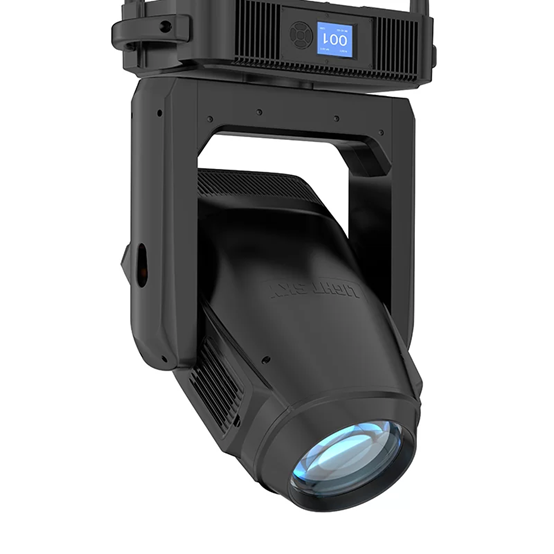
For ballroom productions that require several stage functions from one fixture, we offer SUPER SCOPE PLUS as an indoor-focused example. It combines beam, spot, wash, and profile capabilities, while its 41,000 lm output supports large indoor venues and longer projection distances. The fixture is intended for applications such as theaters, TV studios, concerts, stadiums, and other professional production environments.
The benefit of this configuration becomes clearer during a multi-part show. One fixture can contribute concentrated projection during an entrance, broader coverage during a performance, and shaped illumination when architectural details or scenic elements need emphasis. This flexibility can also simplify the overall lighting concept when fixture positions are limited.
Refining The Final Lighting Plot
Once the visual direction has been established, programming should focus on relationships between cues rather than isolated effects. An LED moving head light may change position, beam shape, intensity, or color, but those changes should correspond to something meaningful within the event.
Brightness deserves particular care in hotel environments. Highly reflective walls, polished floors, chandeliers, and LED screens can all influence perceived intensity. A slightly restrained setting may appear more sophisticated than maximum output used continuously.
The final step is rehearsal from several perspectives. Checking the stage from guest seating, camera positions, side aisles, and rear tables can reveal distractions that are difficult to notice from the lighting console. Small adjustments to focus, intensity, timing, or fixture position can significantly improve the overall visual balance.
Conclusion
Strong ballroom lighting comes from making each visual decision serve the event. Beam direction, profile shaping, wash coverage, color transitions, and cue timing can work together without turning every moment into a spectacle. The versatility of an LED BSWP 4-in-1 moving head spotlight is most useful when designers treat its functions as separate creative tools and deploy them selectively. At LiGHT SKY, we approach professional stage lighting with this practical mindset. We give production teams greater freedom to shape polished indoor experiences while keeping the audience, performers, and event purpose at the center.