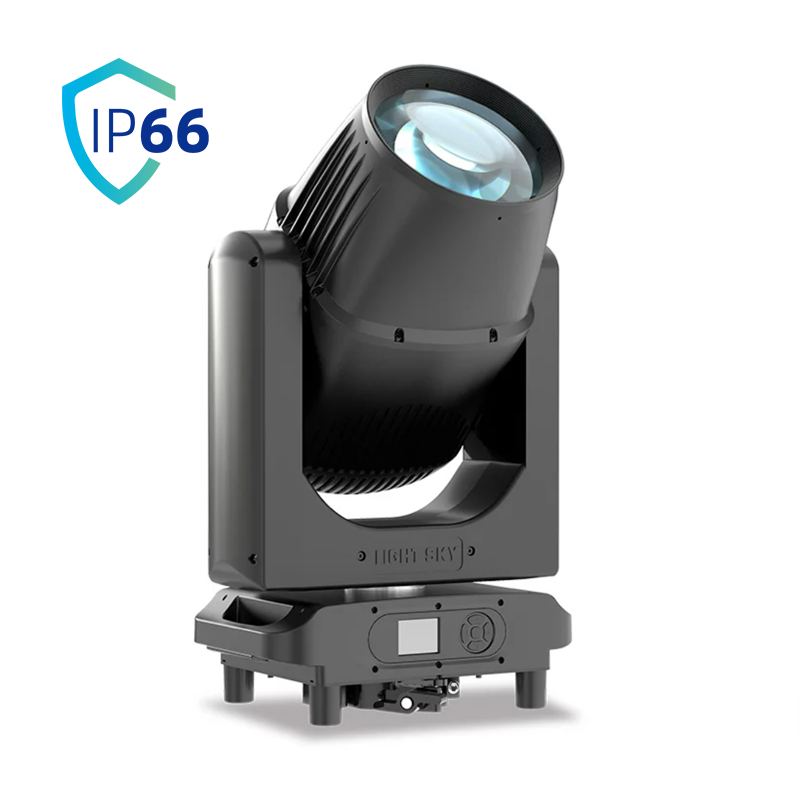
ArtNet vs sACN for BSW Moving Heads: Which Protocol Fits Your Venue Network?
In the world of stage lighting, the choice of control protocol can significantly impact performance, reliability, and flexibility. With various options available, two of the most prevalent protocols for lighting control are ArtNet and sACN. Understanding how each protocol functions can help lighting professionals, including those using a 3-in-1 BSW moving head beam light, make informed decisions about their network setup. This decision has implications not only for functionality but also for the overall creative output in live events.
Understanding ArtNet and Its Application
ArtNet is an Ethernet-based protocol used to transmit DMX data across a network. It’s been widely adopted for its scalability and versatility, making it an excellent choice for users needing to control multiple fixtures simultaneously. At LiGHT SKY, we understand how a moving head beam light can benefit from the features ArtNet provides. This protocol allows users to navigate complex lighting sequences with ease, ensuring complete control over fixtures like the 3-in-1 BSW moving head beam light.
The primary advantage of ArtNet lies in its ability to support large-scale applications. It can handle a vast number of DMX channels, which is invaluable when integrating multiple stage elements. However, users should be aware of network load and bandwidth, as improper configuration can lead to latency issues or drops in signal strength. For a smooth operation, especially with multiple stage beam lights, thoughtful network planning is paramount.
The Advantages of sACN
Streaming Architecture for Control Networks (sACN) is another celebrated protocol in the realm of stage beam light. Unlike ArtNet, sACN operates on a more streamlined approach with multicast capabilities, allowing for dynamic lighting setups to function across various networks with minimal latency. This aspect makes it particularly appealing for events requiring quick changes and real-time adjustments, especially when integrating multiple fixtures like the 3-in-1 BSW moving head beam light.
sACN is often praised for its simplicity and effectiveness in modern lighting environments. The ability to transmit large amounts of data efficiently means less strain on the network, which is crucial as lighting installations continue to escalate in complexity. By opting for sACN, professionals can achieve vibrant and stunning visuals seamlessly, enhancing the impact of their stage beam lights.
Choosing the Right Protocol for Your Needs
Determining which protocol suits your venue best boils down to the specific requirements of your lighting installations. Factors such as the scale of the event, the number of moving head beam lights in use, and the existing network infrastructure play critical roles. If you expect to handle extensive lighting arrays, ArtNet might provide the scalability you need. Conversely, if quick and responsive control is a priority, sACN may be the superior choice.
In our experience at LiGHT SKY, we often recommend evaluating both protocols in pilot setups to understand how they integrate with the equipment at hand. Each protocol has its learning curve and idiosyncrasies; testing them in real-world conditions allows you to measure their effectiveness relative to your specific needs.
Conclusion
Choosing between ArtNet and sACN involves understanding the dynamics of your venue and the equipment in use, such as a 3-in-1 BSW moving head beam light or other stage beam lights. Each protocol offers unique benefits and challenges that can dramatically influence your overall lighting design. By taking the time to consider the specific demands of your application, you can select the best protocol to enhance your creative vision and ensure a flawless performance.
In summary, whether you’re maximizing the capabilities of your moving head beam lights or looking for ways to refine your lighting setups, being informed about the implications of these network protocols will set the stage for success.